


The top secret spots in Luštica Peninsula reveal one of Montenegro’s most captivating coastal regions, still surprisingly overlooked compared to nearby destinations such as Kotor, Budva and Perast. Stretching between the Adriatic Sea and the Bay of Kotor, the peninsula combines dramatic coastal scenery, hidden beaches, historic fortifications, traditional villages and some of the clearest waters in the country.
For travellers looking beyond Montenegro’s most famous landmarks, Luštica offers a different experience. Here, olive groves still cover the hillsides, fishing boats remain part of daily life and secluded coves are often just a short boat ride away. Whether you are searching for sea caves, untouched beaches, cultural heritage or the most Instagrammable viewpoints in Montenegro, Luštica Peninsula delivers a remarkable variety of experiences within a relatively small area.
Staying at Luštica Bay places many of these attractions within easy reach, making it one of the best bases for exploring the peninsula.
TABLE OF CONTENTS
Most Instagrammable Spots on the Luštica Peninsula
Many visitors arrive on the peninsula searching for beaches and hidden coves but quickly discover that some of Montenegro’s most photogenic locations are found here as well. While historic villages and natural attractions provide endless opportunities for photography, Luštica Bay has become one of the most photographed destinations on the Montenegrin coast.
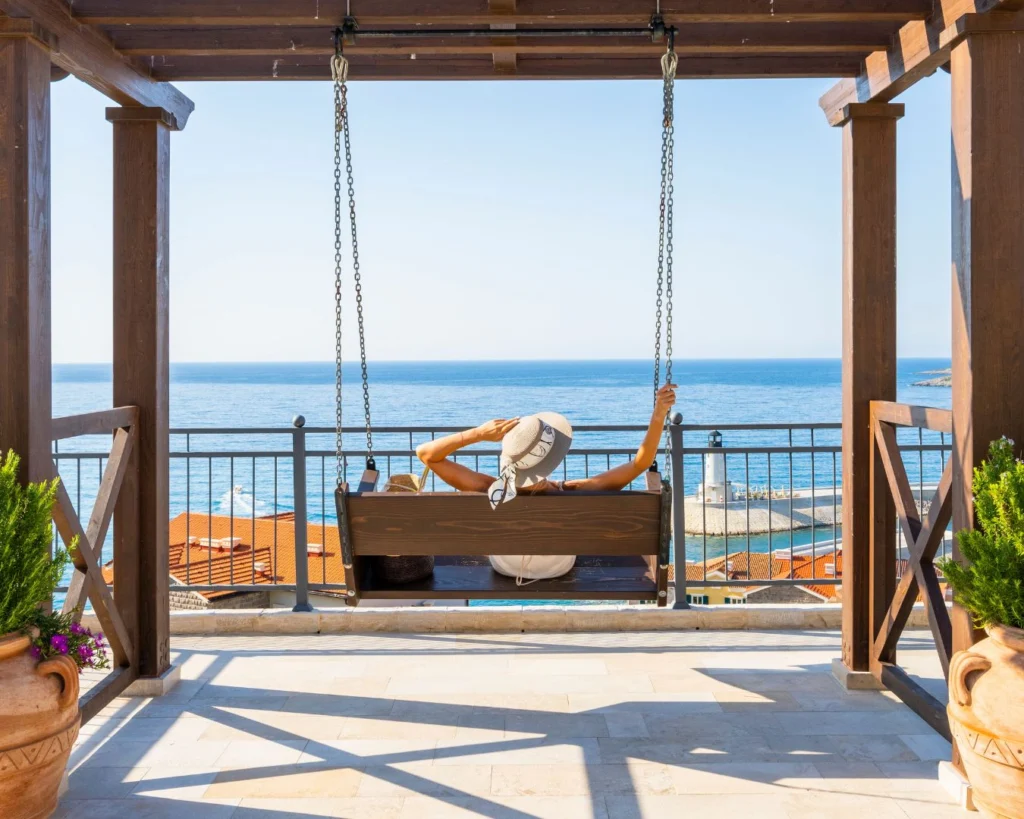
The Swing, Marina Village
Perhaps the most recognisable photo spot in Luštica Bay, the wooden swing overlooking the Adriatic has become a favourite backdrop for visitors. Framed by the marina and the surrounding coastline, it is particularly beautiful during sunset.
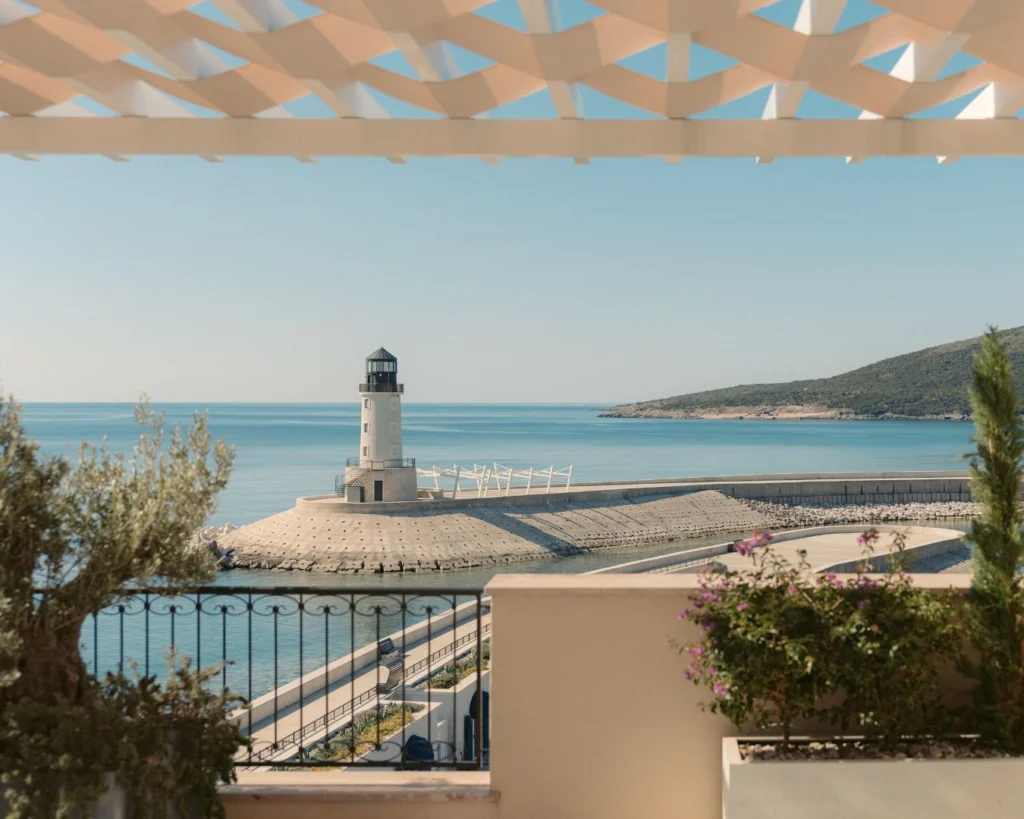
The Lighthouse
Standing at the end of the marina promenade, the lighthouse offers uninterrupted views across the Adriatic. The contrast between the white structure, deep blue water and moored yachts creates one of the destination’s signature images.
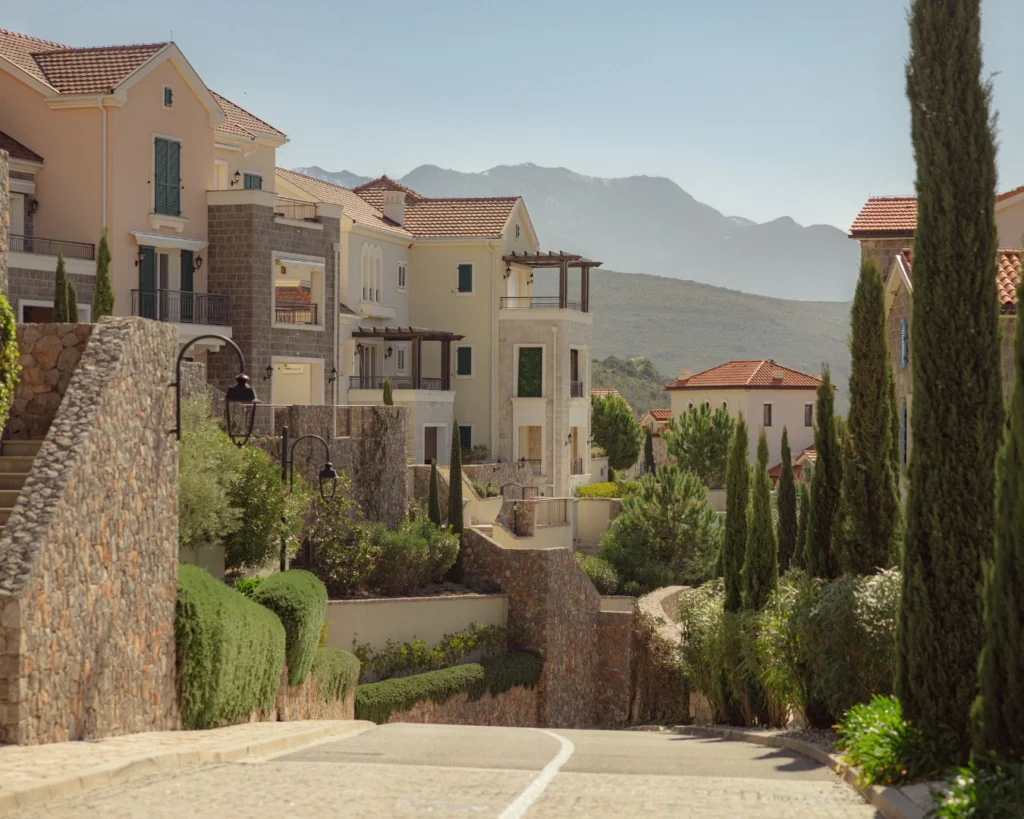
Marina Village Streets
Inspired by traditional Adriatic coastal towns, Marina Village features stone-paved streets, elegant architecture and charming details around every corner. Early mornings and golden hour are especially rewarding for photographers.
The Chedi Terrace
The terrace at The Chedi Luštica Bay offers one of the best elevated viewpoints in the destination. Looking across the marina toward the open sea, it is an ideal location for both daytime and sunset photography.
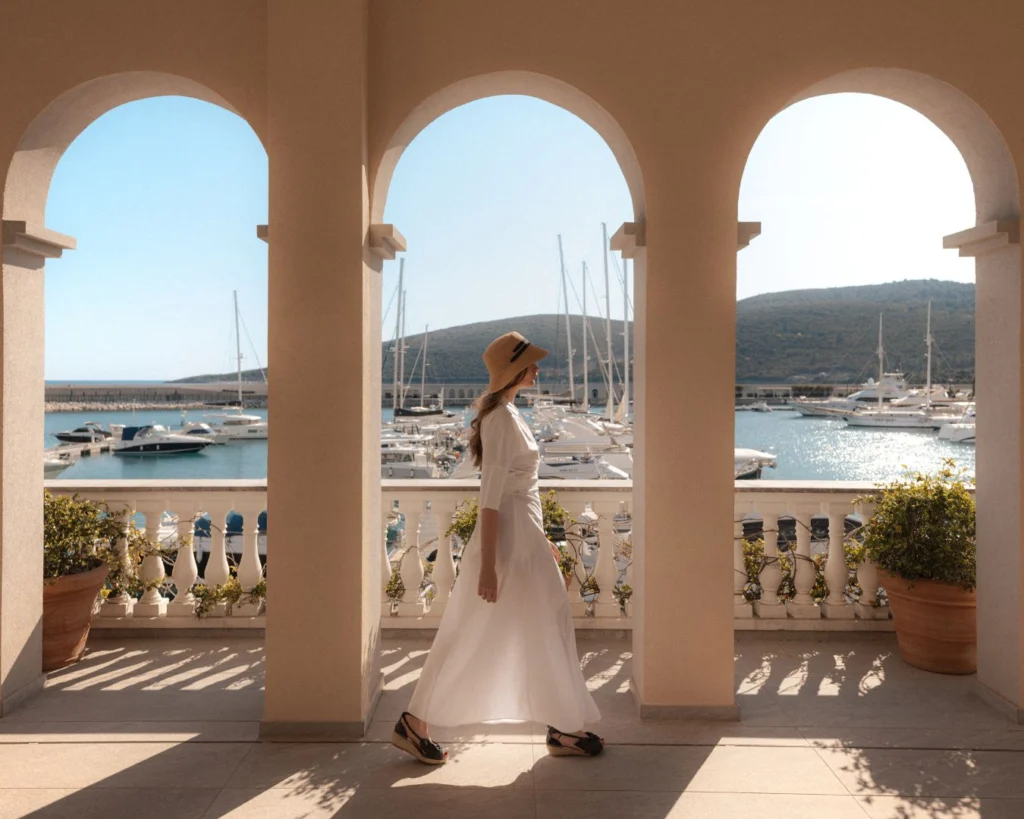
Piazza Centrale
The newer heart of Luštica Bay combines Mediterranean architecture, palm-lined walkways and public spaces designed for gathering and relaxation. Hotel Centrale and the surrounding square have quickly become some of the most photographed locations on the peninsula.
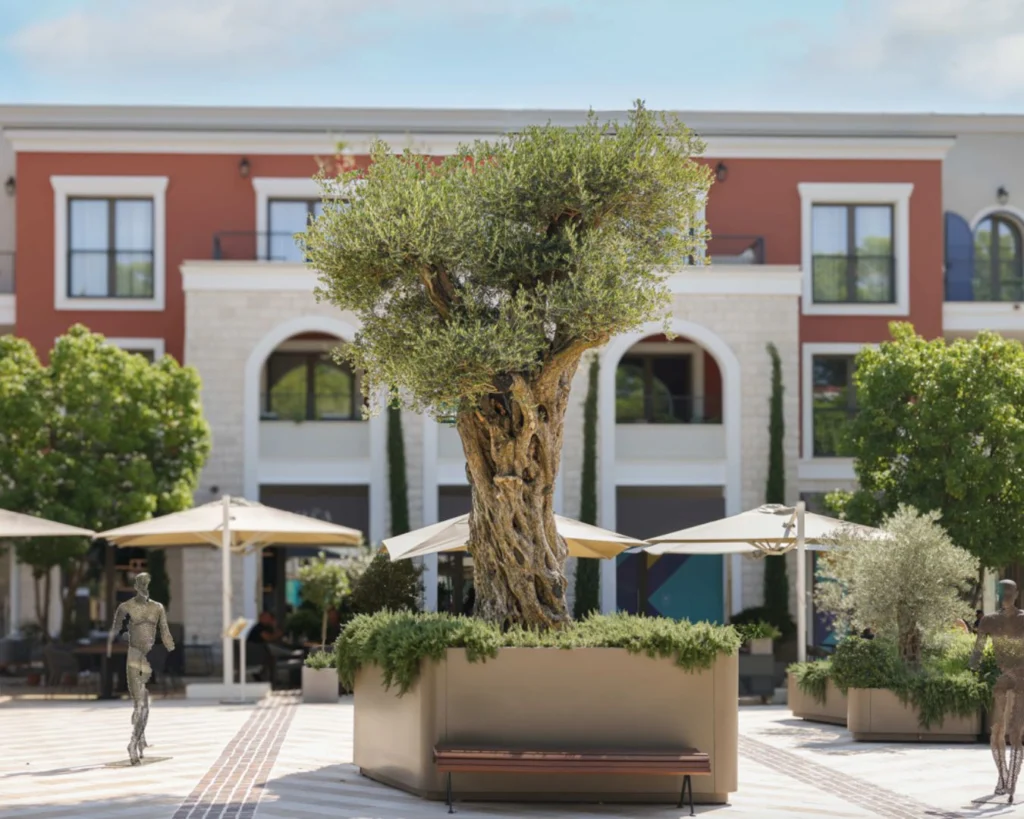
Golf Course Viewpoints
Set high above the coast, the Luštica Bay Golf Course enjoys spectacular panoramic views of the Adriatic and the peninsula. Even visitors who are not golfers often stop to admire the scenery.
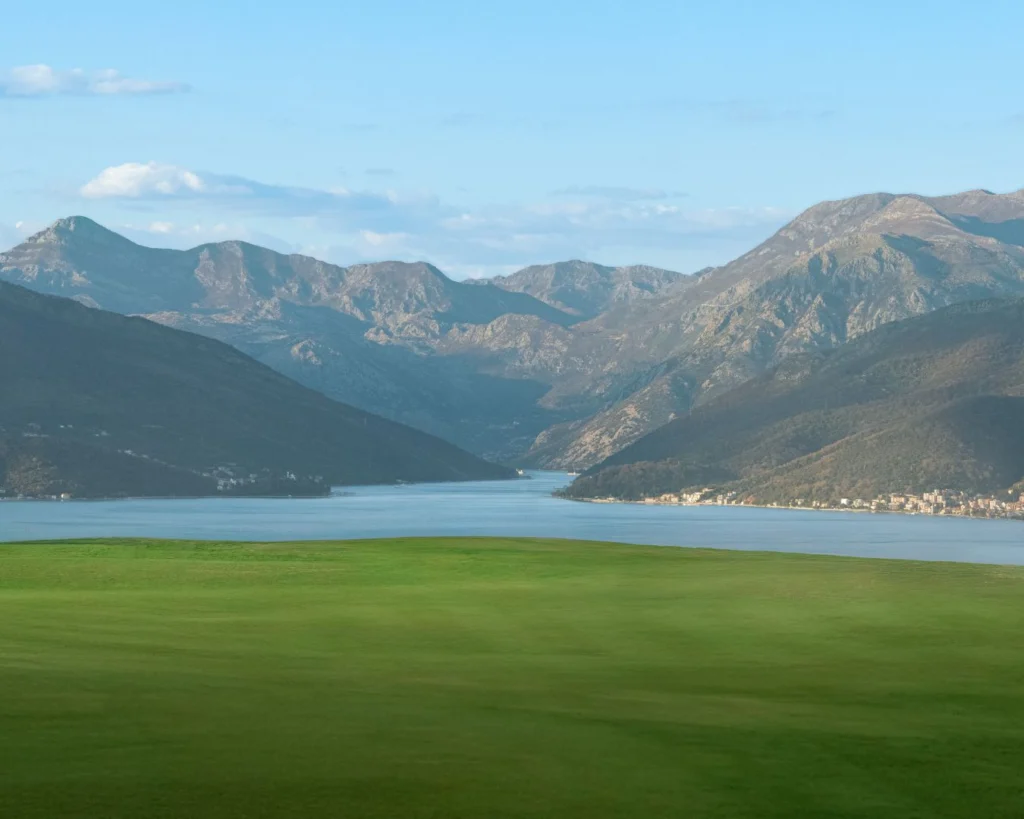
Why Luštica Peninsula Is One of Montenegro’s Best-Kept Secrets
Unlike many parts of the Adriatic coast that have seen extensive development, Luštica has retained much of its traditional character. Small villages remain connected by winding roads, olive groves continue to dominate the landscape and much of the coastline remains remarkably untouched.
Historically, the peninsula developed differently from neighbouring towns. While Kotor, Perast and Herceg Novi grew into important maritime centres, Luštica remained largely agricultural. Families produced olive oil, cheese, wine and rakija, creating a culture deeply connected to the land.
This slower pace of development is precisely what makes Luštica special today. Visitors can spend the morning exploring a centuries-old village, swim in a hidden cove during the afternoon and enjoy dinner overlooking a modern marina in the evening.
Hidden Gems at a Glance
| Place | Type | Best For |
| Blue Grotto | Sea Cave | Boat Trips & Swimming |
| Arza Fortress | Historic Fort | History & Views |
| Dobrec Beach | Hidden Beach | Swimming & Relaxation |
| Rose | Fishing Village | Food & Atmosphere |
| Klinci | Heritage Village | Culture & Traditions |
| Bjelila | Waterfront Hamlet | Photography |
| Mirišta | Beach | Families |
| Luštica Bay | Coastal Town | Base for Exploring |
Blue Grotto Montenegro
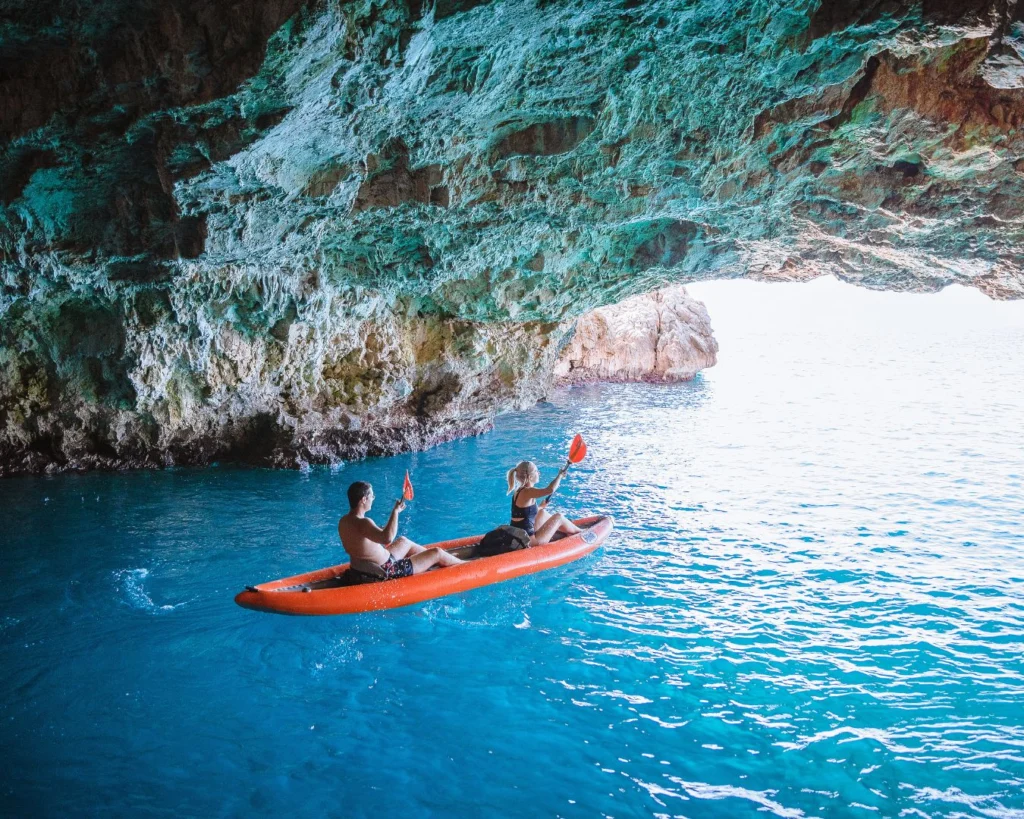
The Blue Grotto, known locally as Plava Špilja, is undoubtedly one of the most famous attractions on the Luštica Peninsula. Located along the peninsula’s rugged Adriatic coastline, the cave is accessible only by boat or kayak.
What makes the Blue Grotto so remarkable is the intense blue colour that fills the cave. Sunlight enters through the water and reflects off the pale seabed, illuminating the interior with an almost surreal glow. On clear summer days, the effect is especially striking.
Most visitors reach the cave as part of a boat tour departing from Luštica Bay, Tivat or Herceg Novi. Many tours combine the Blue Grotto with stops at Mamula, Arza and nearby beaches.
Although it is one of Montenegro’s best-known natural attractions, arriving by boat still gives the experience a sense of discovery that perfectly matches the spirit of the Luštica Peninsula.
Arza Beach & Arza Fortress
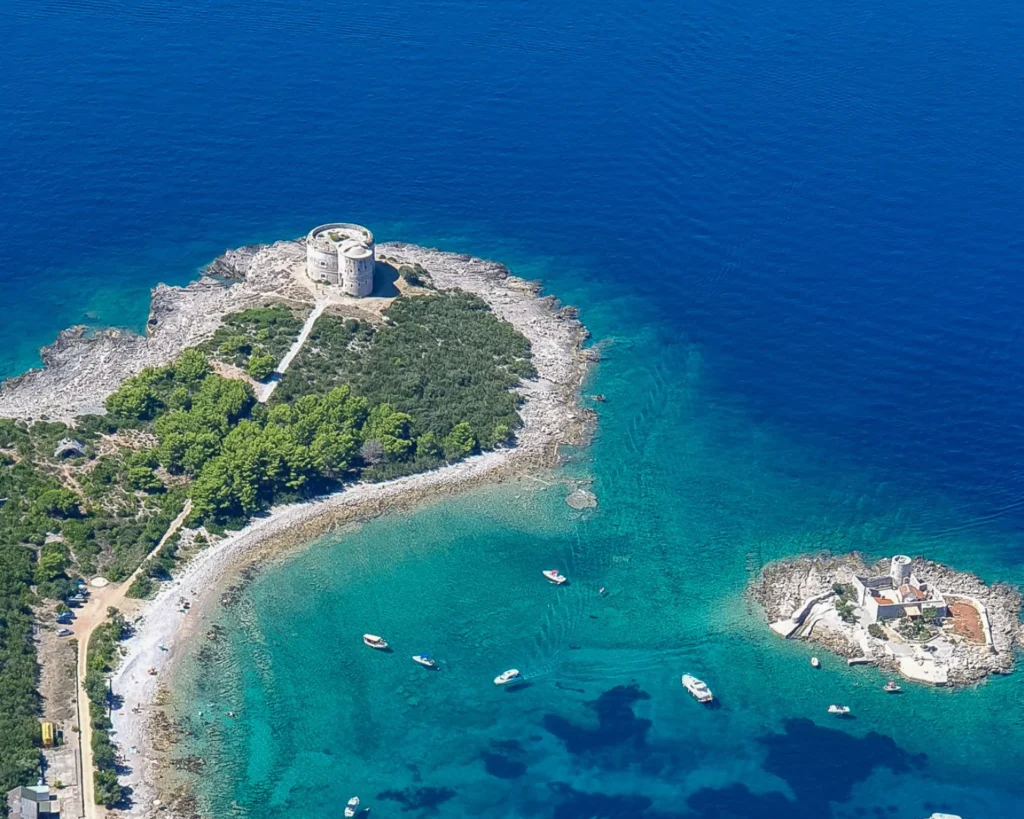
At the entrance to the Bay of Kotor stands Fort Arza, one of several historic fortifications built to defend this strategically important waterway.
The fortress occupies a dramatic position on a rocky promontory overlooking the Adriatic. Built during the Austro-Hungarian period, it formed part of a defensive system that also included Mamula Fortress and Cape Oštro across the bay.
Below the fort lies Arza Beach, a small and relatively undeveloped stretch of coastline known for crystal-clear water and spectacular scenery. The combination of history, nature and panoramic views makes Arza one of the peninsula’s most rewarding stops.
Unlike some of Montenegro’s more commercial beaches, Arza retains a wild and authentic atmosphere that reflects the character of Luštica itself.
Mamula Fortress
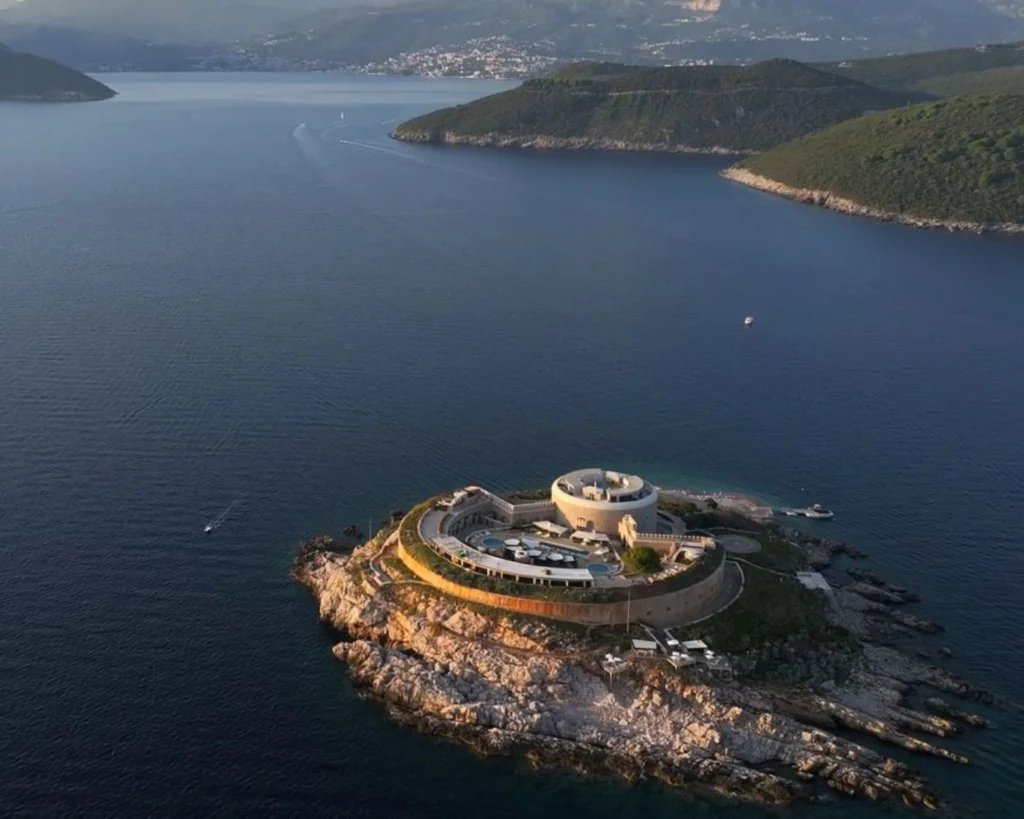
Located on the island of Lastavica, Mamula Fortress is one of the most recognisable landmarks in Montenegro.
Constructed in the nineteenth century, the circular fortress was designed to control access to the Bay of Kotor. Although its military role was significant, Mamula later became known for darker chapters of its history during wartime.
Today, the fortress has been carefully restored and transformed into a luxury hospitality destination while preserving important elements of its historical identity.
Whether viewed from a boat heading toward the Blue Grotto or from the shores of Arza, Mamula remains one of the defining landmarks of the peninsula.
Dobrec Beach
Accessible only by water, Dobrec Beach is one of the most secluded beaches in Montenegro.
Hidden within a sheltered cove on the Bay of Kotor side of the peninsula, Dobrec feels far removed from the busier sections of the coast. Dense greenery surrounds the beach, while calm, transparent water makes it ideal for swimming.
The beach itself is relatively small, which contributes to its intimate atmosphere. Visitors arriving by boat often spend hours swimming, relaxing and enjoying the peaceful surroundings.
For travellers seeking a genuine hidden gem, Dobrec remains one of the strongest candidates anywhere on the Montenegrin coast.
Rose, Montenegro
At the northern tip of the peninsula lies Rose, one of the oldest coastal settlements in Montenegro.
For centuries, Rose served as an important maritime outpost controlling access to the Bay of Kotor. Today, the village offers a very different atmosphere. Stone houses line the waterfront, fishing boats gently rock in the harbour and seafood restaurants welcome visitors looking for a slower pace.
The village’s maritime heritage remains visible throughout the area. Walking along the waterfront feels like stepping back into an earlier chapter of Adriatic history.
Rose is also an excellent starting point for boat excursions around the bay and remains one of the most charming places to visit on the peninsula.
Klinci Village
Away from the coastline, Klinci provides a glimpse into the peninsula’s rural heritage.
Surrounded by olive groves and stone walls, the village has become known for its beautifully restored traditional architecture. Many buildings preserve original construction techniques while offering modern comforts.
Klinci is the perfect place to experience another side of Luštica. Here, the emphasis is on local food, traditional lifestyles and a strong connection to the landscape.
Visitors often combine a stop in Klinci with olive oil tastings, local gastronomy experiences and scenic drives through the interior of the peninsula.
Bjelila
Bjelila is one of those places that many travellers pass without noticing, yet it remains one of the most photogenic settlements on the peninsula.
Located along the Bay of Kotor side of Luštica, the village consists of historic stone houses built directly beside the water. Small boats, stone terraces and mountain views create a scene that feels almost unchanged by time.
The quiet atmosphere and authentic character make Bjelila particularly attractive for photographers and travellers looking to escape busier destinations.
Mirišta Beach
Mirišta is one of the peninsula’s most popular beaches and an excellent option for families.
Located near Žanjice and the Blue Grotto, the beach combines clear water, attractive scenery and relatively easy access. Pine trees provide shade while the calm sea makes swimming enjoyable for visitors of all ages.
The small island church of Gospa od Milosti adds a distinctive feature to the landscape and contributes to Mirišta’s reputation as one of the most picturesque locations on the peninsula.
Luštica Peninsula Beaches at a Glance
| Beach | Access | Best For |
| Dobrec | Boat Only | Seclusion |
| Arza | Boat / Limited Road Access | History & Swimming |
| Mirišta | Car or Boat | Families |
| Žanjice | Car or Boat | Day Trips |
| Rose Area Beaches | Car or Boat | Relaxation |
How to Explore the Peninsula
The most rewarding way to discover Luštica Peninsula is to combine both land and sea.
Boat excursions provide access to attractions such as the Blue Grotto, Mamula, Arza and Dobrec. Meanwhile, a car allows visitors to explore Rose, Klinci, Bjelila and the inland olive-growing regions.
Luštica Bay serves as an ideal base because it offers accommodation, restaurants, marina services and convenient access to both the Adriatic coast and the Bay of Kotor side of the peninsula.
A two-day itinerary is enough to see the highlights, although many visitors find themselves returning repeatedly to explore new corners of the peninsula.
Conclusion
From hidden beaches and sea caves to historic villages and coastal fortifications, the Luštica Peninsula offers some of Montenegro’s most rewarding experiences. Its unique combination of natural beauty, maritime heritage and authentic local culture sets it apart from many other destinations along the Adriatic.
Whether you are visiting for a day trip or using Luštica Bay as your base for a longer stay, the peninsula rewards curiosity. Every road seems to lead to a hidden cove, every village tells a story and every viewpoint reveals another perspective of one of Montenegro’s most beautiful regions.
Frequently Asked Questions
Where is the Luštica Peninsula located?
The Luštica Peninsula is located on Montenegro’s Adriatic coast between the Bay of Kotor and the open Adriatic Sea.
What is the most famous attraction on Luštica Peninsula?
The Blue Grotto is widely considered the peninsula’s most famous natural attraction.
Can you visit the Blue Grotto without a boat?
No. The cave is only accessible by boat or kayak.
Is Rose worth visiting?
Yes. Rose is one of the oldest settlements on the peninsula and offers a unique combination of maritime history, seafood restaurants and coastal scenery.
What are the best beaches on Luštica Peninsula?
Dobrec, Mirišta, Arza and Žanjice are among the peninsula’s most popular beaches.
Where should I stay when visiting Luštica Peninsula?
Luštica Bay is one of the most convenient bases thanks to its accommodation, marina, restaurants and proximity to major attractions.
How many days do you need on Luštica Peninsula?
Two to three days is ideal for exploring the main highlights, although longer stays allow for a deeper appreciation of the area.
What are the most Instagrammable spots in Luštica Bay?
The Swing, Lighthouse, Marina Village streets, The Chedi terrace, Piazza Centrale and Golf Course viewpoints are among the most photographed locations.
Is Luštica Peninsula suitable for families?
Yes. Beaches such as Mirišta and Žanjice are particularly family-friendly.
What is the best time to visit Luštica Peninsula?
May through October offers the best weather for swimming, boating and exploring the coastline.