


Why Spring Is One of the Best Times to Visit Montenegro
Spring in Montenegro is a season of renewal, warmer days, and a return to life outdoors. While spring officially begins on 20 March, the change is felt earlier along the Adriatic Sea, where cafés reopen, flowers bloom, and the coastline becomes lively again from late February.
For travellers planning a trip to Montenegro, spring offers a balance between nature, culture, and comfort. Crowds are smaller than in summer, temperatures are mild, and the calendar is filled with festivals, outdoor activities, and national holidays across the country.
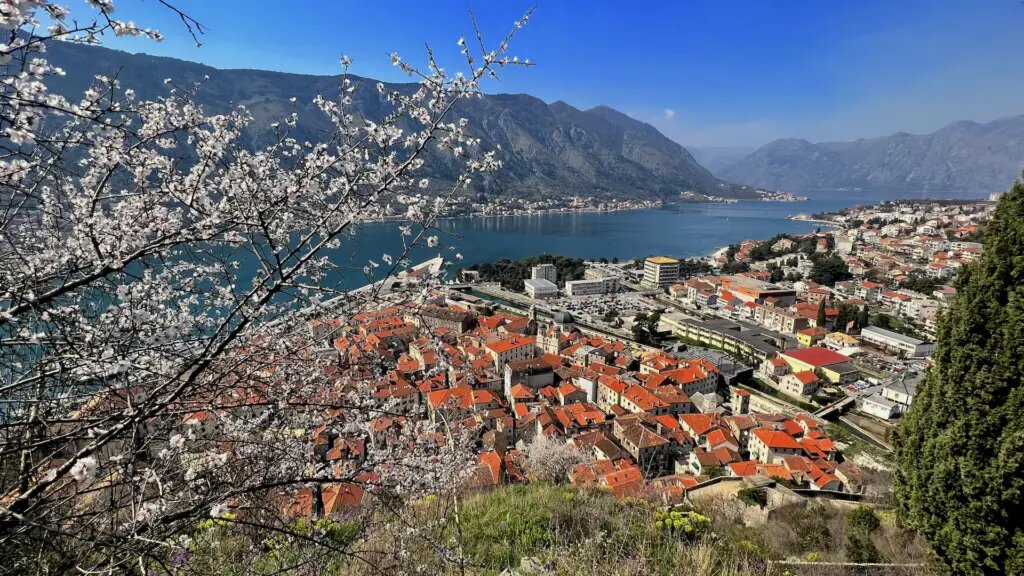
Cultural Events and Festivals in Montenegro
Spring events in Montenegro reflect centuries of tradition shaped by coastal history and regional culture. From carnivals on the Montenegrin coast to food festivals near national parks, these events form a key part of the country’s seasonal rhythm.
Kotor Carnival
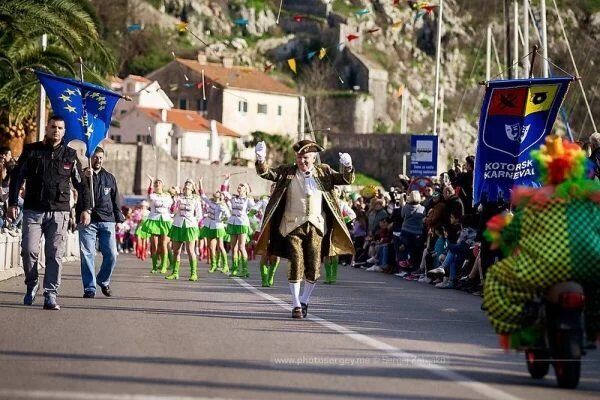
The Kotor Carnival is one of the most recognisable cultural events in Montenegro. Held in the UNESCO-listed Old Town, it features masked balls, open-air parades, satire, and live music.
In 2026, the Kotor Carnival takes place from 14 February to 1 March, with the main parade and ceremonial burning held on the final Sunday. The event attracts visitors from across the Balkans, including neighbouring Serbia and Albania.

Mimosa Festival, Herceg Novi
The Mimosa Festival marks the arrival of spring along the Bay of Kotor and is one of the most recognisable seasonal events in Montenegro.
In 2026, the 57th Mimosa Festival takes place from 13 to 28 February across Herceg Novi, Igalo, Baošići and Đenovići. Over two weeks, the programme includes folk celebrations, flower exhibitions, wine salons, masquerade balls, sports events and open-air concerts.
The opening weekend (13–15 February) features the traditional Feast of Mimosa, Fish and Wine along the riviera, and performances by Nina Badrić and Goran Karan. On 14 February, Riblja Čorba headlines the open-air stage, followed by a grand masquerade with YU Grupa and other regional performers.
Later highlights include the International Carnival Parade on 21 February, the Traditional Wine Salon (20–21 February), and the final Carnival Trial on 28 February, closing with a concert by Aco Pejović.
The full programme and detailed schedule are available on the official Mimosa Festival 2026 programme.
Budva Carnival
The Budva Carnival brings colour and energy to the central Adriatic coastline. International carnival groups, children’s parades, and evening performances take over Budva Old Town.
In 2026, the Budva Carnival is held from 24 April to 3 May. Individual parade dates are announced later by organisers.
Homemade Bolide Races, Herceg Novi
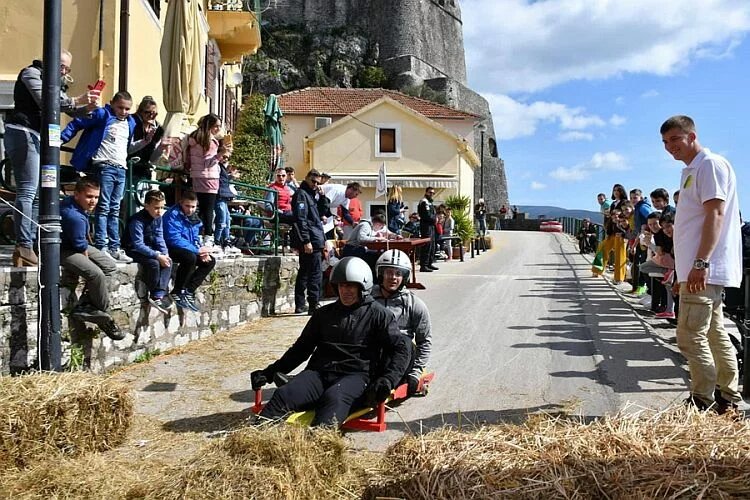
One of the most unusual spring traditions is the Homemade Bolide Race in Herceg Novi. Participants race handcrafted vehicles down a closed city street, drawing large crowds.
In 2026, the race takes place on Sunday 8 March. Timing may be adjusted by organisers depending on weather conditions.
Wine and Bleak Festival, Virpazar (Skadar Lake National Park)
The Wine and Bleak Festival is held in Virpazar, near Skadar Lake National Park, one of the most important natural areas in the country.
In 2026, the festival takes place on 7–8 March. Visitors can enjoy local wine, fresh fish, and traditional local cuisine, with many producers offering tastings and direct sales.
Days of Camellias, Stoliv
The Days of Camellias celebrate the camellia flower, a symbol of the Bay of Kotor. Events are hosted mainly in the coastal village of Stoliv.
In 2026, the programme runs from 21 March through late April, featuring flower exhibitions, cultural evenings, regattas, and traditional boat events. Individual dates are announced later by organisers.
Public and Orthodox Holidays in Spring 2026
Easter in Montenegro (Orthodox)
In 2026, Orthodox Easter falls on 12 April, with public holidays on:
- Sunday 12 April
- Monday 13 April
Labour Day (1–3 May)
Labour Day holidays run from 1 to 3 May 2026. Many shops and public institutions close, while restaurants and cafés usually remain open, especially in coastal towns.
Independence Day of Montenegro (21–22 May)
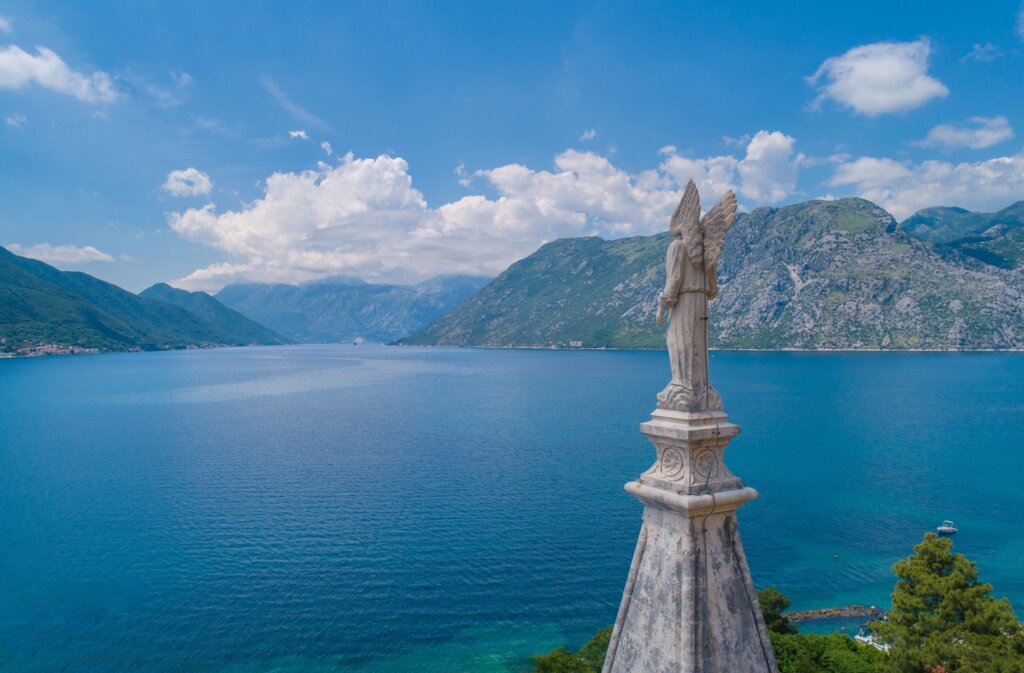
Montenegro celebrates Independence Day on 21 and 22 May 2026, with cultural programmes, concerts, and public gatherings across the country.
Sports and Outdoor Activities in Montenegro in Spring
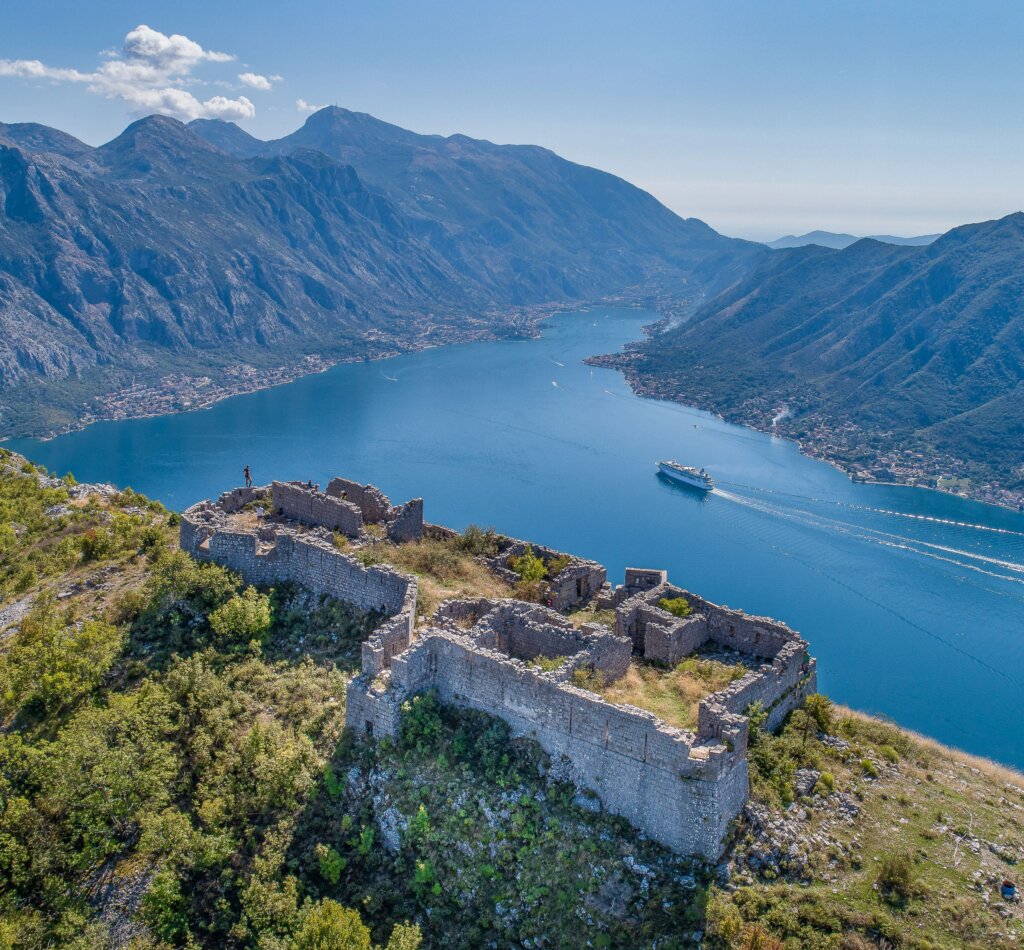
Spring is one of the best seasons for outdoor activities in Montenegro. Mild temperatures make it ideal to hike, run, and explore national parks before peak summer heat.
Running Events and Trail Races
- Podgorica running events take place in late March or early April, with multiple race distances.
- The Ostrog Half Marathon, held in April, combines challenging elevation with views toward the Ostrog Monastery.
- The Boka Bay Trail, organised in late April, offers demanding routes above the Adriatic coastline.
Exact dates are announced later by race organisers.
Nature, Parks, and Active Trips
Spring is ideal for exploring Montenegro’s landscapes, including:
- Skadar Lake National Park
- Biogradska Gora National Park
- Tara River Canyon
Popular activities include hiking, cycling, and scenic boat tours, allowing visitors to experience mountains, lakes, and coastline within a short distance.
Why Spring Is One of the Best Times to Visit Montenegro
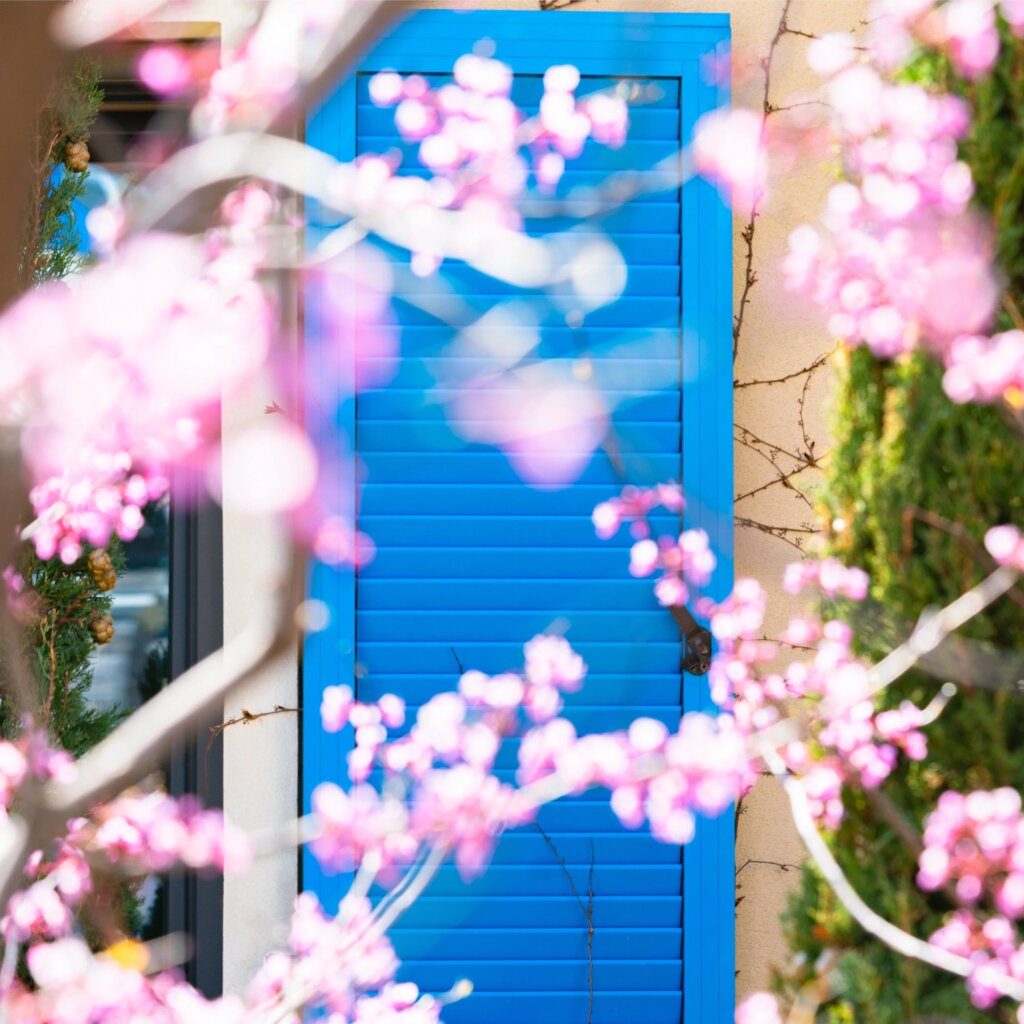
Spring offers a rare combination of nature, culture, and comfort. Visitors enjoy:
- Fewer crowds than summer
- Pleasant weather for sightseeing and outdoor trips
- Easy access to beaches, mountains, and national parks
- A lively but relaxed atmosphere along the Adriatic coastline
Spring is also an excellent time for beach lovers who prefer quieter promenades and pristine beaches before the high season.
For coastal inspiration, explore things to do in Luštica Bay, browse upcoming events and experiences in Luštica Bay, or discover natural attractions across Montenegro.
Frequently Asked Questions
When does spring start in Montenegro?
Spring officially starts on 20 March, though coastal areas feel warmer from mid-February.
Is spring a good time for outdoor activities in Montenegro?
Yes. Spring is ideal for hiking, national park visits, running events, and scenic boat trips.
Is Montenegro busy in spring?
No. Spring is quieter than summer, making it a comfortable season for travel and exploration.
Exploring Montenegro Beyond Spring Events
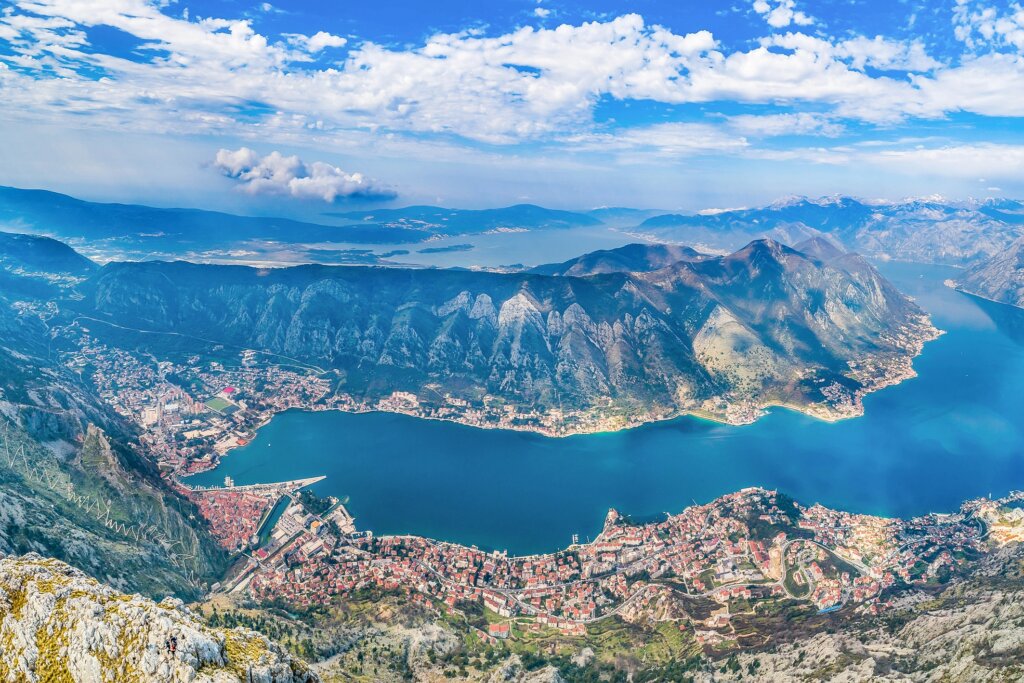
Spring events are only one part of what makes Montenegro appealing at this time of year. As the country transitions from winter into warmer months, landscapes change quickly, revealing why Montenegro is often described as a stunning country with remarkable natural variety.
From the Adriatic Coast to the Mountains
Along the Adriatic coast, seaside towns come back to life after winter. Waterfront promenades reopen, cafés extend their terraces, and visitors can enjoy long walks by the sea without summer crowds. The Montenegrin coast is known for its mix of historic towns and natural scenery, from the Bay of Kotor to open stretches of shoreline further south.
Spring is also an excellent time to visit Montenegro’s beautiful beaches before peak season. Locations such as Jaz Beach near Budva offer wide shores and clear water, while quieter coves provide a more relaxed atmosphere for travellers who prefer calm surroundings. These early-season visits appeal especially to beach lovers looking for pristine beacheswithout the intensity of midsummer.
Islands, Shores, and Waterfront Experiences
Montenegro’s compact coastline includes small islands, sheltered bays, and varied shores that can be explored by foot or on a short boat tour. Spring weather is ideal for spending time along the waterfront, whether that means visiting marinas, enjoying coastal viewpoints, or taking short trips across the bay.
For travellers staying along the coast, destinations such as Sveti Stefan remain popular for photography and scenic walks, even if beach access is limited. The combination of historic architecture, sea views, and surrounding scenerymakes this area one of the most recognisable sights in the country.
Inland Montenegro: History and Culture
Moving inland, spring is a comfortable time to explore Montenegro’s cultural centres. Cetinje, the old royal capital, offers museums, monasteries, and galleries that provide insight into the country’s history and identity. With fewer visitors than in summer, spring visits allow more time to explore at a relaxed pace.
Cultural life also expands beyond traditional festivals. In some years, smaller film festival programmes and cultural screenings begin in spring, especially in larger towns, before continuing into summer.
Seasonal Travel and Planning Ahead
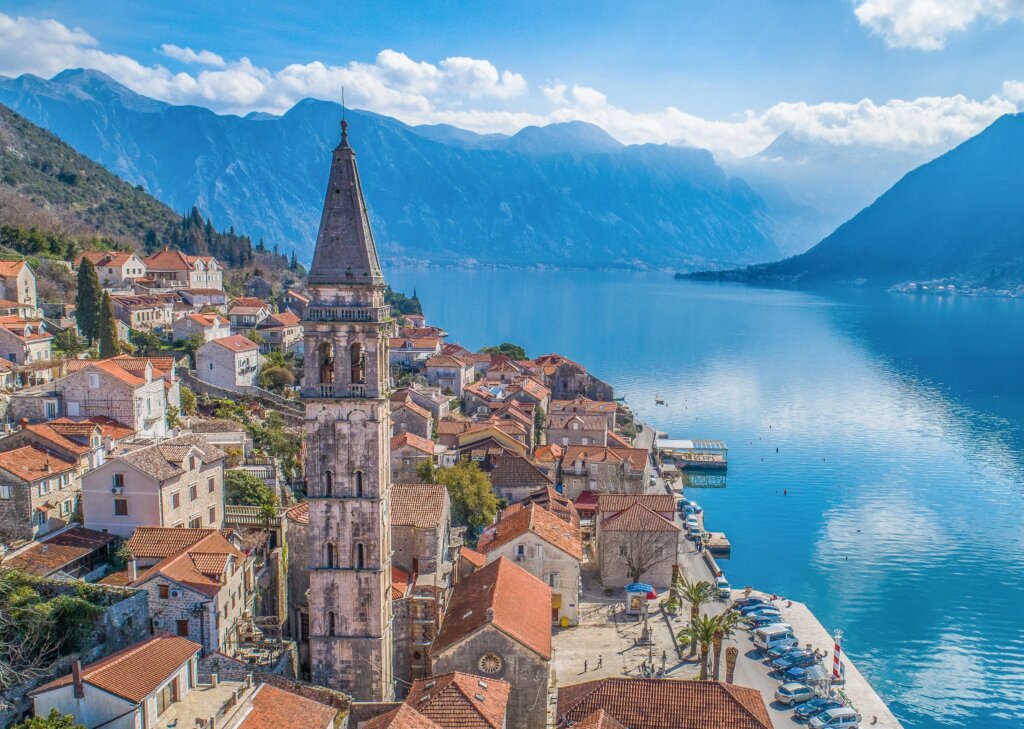
Spring travel in Montenegro often blends experiences across seasons. Visitors arriving in April or May can still see traces of winter in the mountains while enjoying mild coastal weather. By June, the atmosphere begins to shift toward summer, with beaches filling up and boat traffic increasing.
For those planning longer stays, spring also sits between the quieter autumn months and the intensity of high summer. This makes it an ideal period for travellers who want to experience Montenegro at a slower pace, combining events, nature, and everyday local life.
Whether you are interested in cultural festivals, outdoor activities, or simply discovering a beautiful country along the Adriatic, spring offers one of the most balanced and rewarding ways to explore Montenegro.