


Montenegro’s climate is one of the main reasons visitors return. The country offers long, sun-filled summers, mild winters, and a coastal lifestyle that extends well beyond peak season. What consistently surprises first-time visitors is how dramatically the experience shifts depending on when they arrive.
From the coastal towns of Budva and Kotor and the Bay of Kotor to the mountainous interior, conditions – and the character of each destination – change considerably across the calendar. Some months are ideal for swimming and beach life. Others suit exploration, hiking, and slower travel. A few are best approached with clear expectations unless you know what you’re getting into.
This guide breaks down Montenegro weather by month, with a focus on real, on-the-ground conditions and the practical decisions they inform.
TABLE OF CONTENTS
When Should You Visit Montenegro? (Quick Answer)
If you only read one section, read this.If you want warm weather, a lively but manageable atmosphere, and a swimmable sea, June and September are the strongest choices. They offer nearly everything peak summer delivers – without the overcrowding, midday heat, or traffic.
- Best overall months: June and September
- Best for beaches and swimming: July and August
- Best for relaxed, upscale stays: May, June, September
- Best for exploring without heat: April and October
- Month to avoid if you dislike crowds: August
What Is the Climate Like in Montenegro?
Montenegro has two distinct climate zones, and understanding the difference matters for planning:
- Coastal region (Budva, Kotor, Luštica Bay): A classic Mediterranean climate - hot, dry summers and mild, occasionally wet winters. The coastline benefits from over 240 sunny days per year, making it one of the sunniest stretches of the Adriatic.
- Northern interior and mountain region: A continental and mountain climate with colder winters, significant snowfall, and noticeably cooler summers. This zone supports skiing in winter and comfortable hiking in summer, functioning almost as a separate destination.
One detail many visitors underestimate is the thermal retention of the Adriatic Sea. Water temperatures stay warm well into October, which makes the shoulder seasons far more attractive - and swimmable - than most expect.
Montenegro Weather by Month (Quick Overview)
The following chart and table provide a side-by-side comparison of average temperatures and the actual local atmosphere you can expect each month
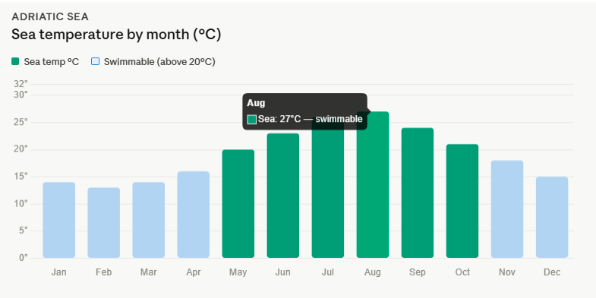
| Month | Avg Temp (°C) | Weather | What It Actually Feels Like |
| January | 8–12 | Cool, some rain | Quiet, slow, genuinely local |
| February | 9–13 | Mild winter | Off-season, peaceful |
| March | 12–16 | Early spring | Fresh air, uncrowded |
| April | 15–20 | Pleasant, warming | Ideal for sightseeing and walking |
| May | 20–25 | Warm, sunny | Feels like early summer |
| June | 24–30 | Warm, stable | Near-perfect conditions |
| July | 28–35 | Hot, dry | Intense midday heat, busy coast |
| August | 30–36 | Very hot | Peak crowds, peak energy |
| September | 25–30 | Warm, calm | Best overall month |
| October | 18–24 | Mild, easing off | Quiet, comfortable, underrated |
| November | 14–18 | Cooler, some rain | Slower rhythm sets in |
| December | 10–14 | Mild winter | Calm and quietly festive |
January – February: Winter Season
Winter on the Montenegrin coast is mild by European standards - but it is not a beach holiday.
Expect cooler days, some rain, and a noticeably slower pace. Coastal towns don't shut down; cafés stay open, restaurants continue to operate, and the atmosphere is genuinely local. For visitors arriving from northern or central Europe, the temperature difference is often a surprise in the best possible way.
This period works best for:
- Extended or longer stays
- Remote work and slow travel
- Experiencing destinations without the tourist layer
What many visitors don't anticipate is how livable the coast remains in winter. The rhythm slows, but it doesn't stop.
Meanwhile, the interior pivots entirely. Attention moves to Ski Centers such as Kolašin and the surrounding mountain region, where conditions support skiing, snowboarding, and snow-based activities through February and often into March.
March – April: Early Spring
Spring is one of the most consistently underrated times to visit Montenegro.
By April, temperatures are comfortable across the coast, the landscape is green and vivid after winter rain, and everything feels accessible without the weight of crowds. Restaurants and attractions are open, but operating at a relaxed tempo.
This is the best time for:
- Sightseeing in historic towns
- Walking, hiking, and nature exploration
- Getting a feel for Montenegro outside of the tourist season
Areas such as Skadar Lake National Park are particularly rewarding during this period. Comfortable temperatures, clear light, and far fewer visitors make it one of the best months for nature photography and wildlife spotting.
The main limitation is the sea temperature, which remains cold enough to make swimming unappealing for most people. If swimming is a priority, May or June is a better starting point.
May – June: Ideal Travel Season
This is when Montenegro begins to feel complete.
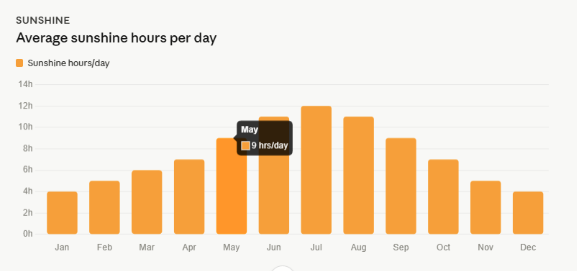
The weather is warm, the days are long, the sea is becoming genuinely swimmable, and the atmosphere takes on energy without crossing into peak-season intensity. For many repeat visitors, this window is simply the best the country offers.
| Month | Sea Temperature | Crowd Level | Reality |
| May | ~20°C | Low | Feels like summer, water still refreshing |
| June | ~23°C | Moderate | Best overall balance |
June stands out as one of the strongest months of the year. Summer conditions arrive fully - warm days, long evenings, a comfortable sea - while the crowds and prices of July and August have not yet materialized.
Coastal destinations such as Sveti Stefan and Perast are particularly enjoyable at this point in the season, before peak visitor numbers transform their character. The walled streets of the Bay of Kotor and the beaches around Budva reward early mornings and long evenings without the midsummer pressure.
This period is especially well-suited for:
- Outdoor dining and coastal living
- Active exploration - hiking, cycling, water sports
- Golf, at near-ideal playing temperatures
- Luxury and slow travel, without compromising on experience
To explore everything the area has to offer during these months, check out our guide on Things to do in Luštica Bay
July – August: Peak Summer
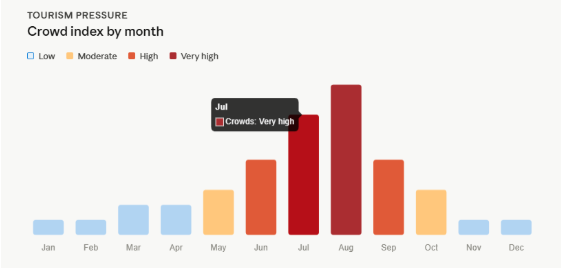
Peak season arrives with clarity. The weather is predictable, the coastline is alive, and the trade-offs are equally clear.
What you get:
- Long, reliably dry and sunny days
- Very warm sea temperatures (26–28°C)
- A full calendar of events, music, and nightlife
- The classic Adriatic summer atmosphere
What you give up:
- Midday heat regularly exceeds 33–35°C, which limits outdoor activity
- Traffic through coastal towns, particularly around Budva, can become significant
- Accommodation prices and demand peak across the entire coast
- The relaxed, unhurried atmosphere characteristic of shoulder season disappears
In practice, daily life adapts. Early mornings and evenings become the most active windows; midday is spent at the beach, in shade, or indoors. It's a rhythm that works well if you embrace it, and feels limiting if you don't.
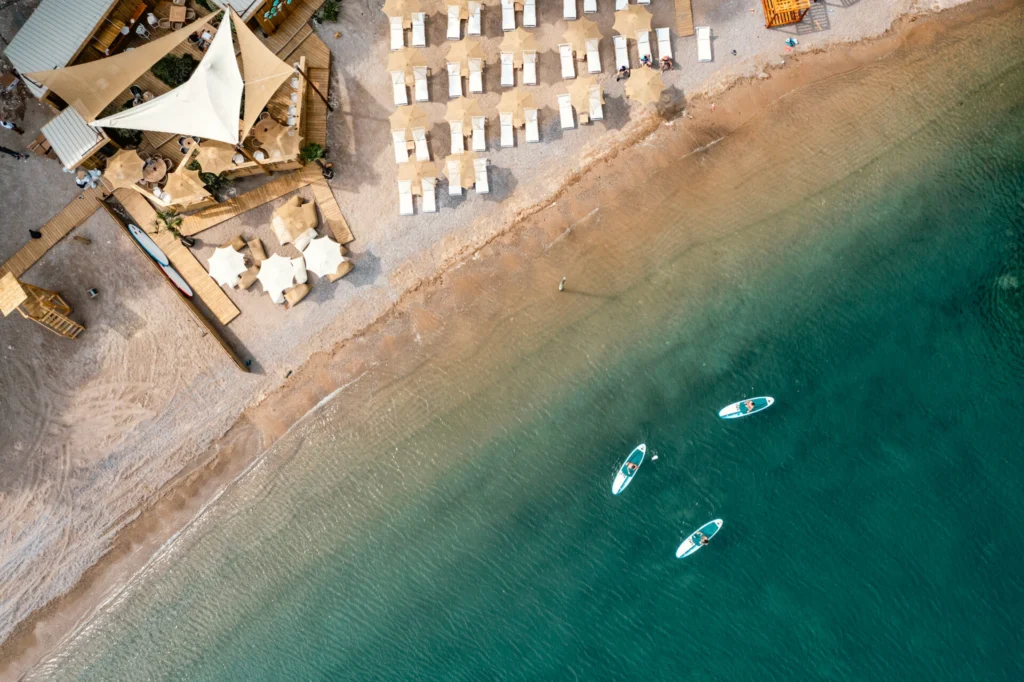
Many visitors intentionally combine time on the coast with the cooler mountain interior. Durmitor National Park, with its dramatic landscapes and temperatures 10–15°C lower than the coast, offers a natural counterbalance. Day trips and short stays there are popular in August for exactly this reason.
July and August are the right choice if you want energy, events, full beach infrastructure, and the classic peak-season Mediterranean experience. If your preference runs toward calm, privacy, and refined travel, September or June will serve you better.
September – October: Late Summer and Autumn
This is where Montenegro arguably becomes its best version.
The sea remains warm, the temperatures soften from their peak, the crowds begin to thin, and prices ease. The shift from August to September is one of the most noticeable improvements in the entire calendar - often described by repeat visitors as the moment Montenegro "exhales."
| Month | Sea Temperature | Crowd Level | Reality |
| September | ~24°C | Moderate, declining | Best overall month |
| October | ~21°C | Low | Calm, comfortable, underrated |
September is the most balanced month in Montenegro's calendar. Water remains warm enough for comfortable daily swimming, the coast is still active, but the intensity of peak season has passed. You gain space - physical and experiential - without sacrificing conditions.
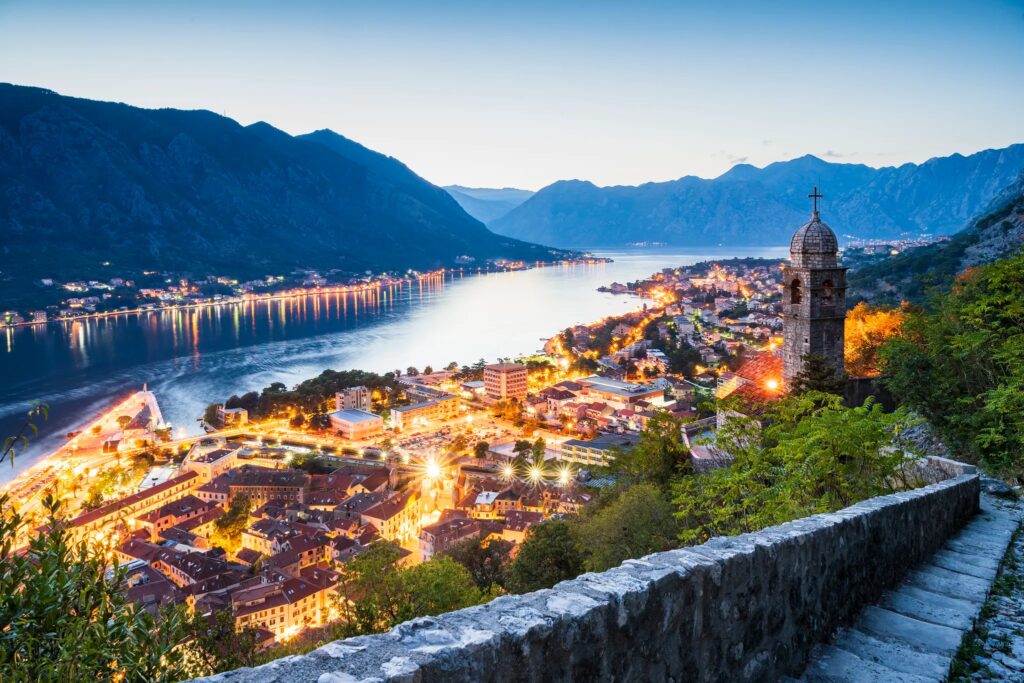
Locations such as Kotor and the Bay of Kotor are particularly rewarding during this period. The old town is navigable without the shoulder-to-shoulder crowds of August. The light in September is softer and more photogenic. Evening dining feels like an experience again rather than a logistical challenge.
October extends this further - quieter still, with the sea holding warmth longer than most expect. It's a month for those who prefer a genuinely slow pace, with comfortable temperatures for walking and exploration.
This window is ideal for:
- Outdoor activities and hiking
- Golf at comfortable temperatures
- Extended coastal stays without peak-season pressure
- Couples and independent travelers who value atmosphere over energy
November – December: Quiet Season
Late autumn brings a cooler, quieter rhythm to the coast. Rain is more frequent, and some seasonal businesses begin to close. But temperatures remain genuinely mild by European standards - a factor worth noting for visitors from colder climates.
This period suits:
- Peaceful, unhurried stays
- Remote work and long-term visitors
- Travelers seeking authenticity over amenity
December introduces a quietly festive atmosphere in coastal towns - decorated streets, low visitor numbers, and an experience that feels entirely local. It lacks the infrastructure of a dedicated Christmas market destination, but that absence is also part of its appeal.
Best Time to Visit Montenegro by Travel Style
| Travel Style | Best Months | Why |
| Beach holidays | July – September | Warm sea, reliable weather |
| Sightseeing and culture | April – June, October | Comfortable temperatures, manageable crowds |
| Avoiding crowds | May, October | Space, calm, and full access |
| Luxury and relaxed stays | June, September | Ideal balance of quality and atmosphere |
| Outdoor activities and hiking | April – June, September – October | Optimal temperatures |
| Golf | May, June, September, October | Not too hot, not too cool |
| Skiing and snow | January – March | Kolašin and northern mountain region |
| Budget travel | May, October | Lower prices, full experience |
Why Timing Matters for Luštica Bay
The Luštica Peninsula benefits from stable coastal weather and a naturally extended shoulder season — a factor that significantly shapes how the destination is positioned and experienced by those deciding where to stay in Montenegro
Practically, this means:
- May, June, and September are particularly strong across all activity types
- Outdoor living - dining, swimming, walking - remains genuinely comfortable beyond peak summer
- Golf is best enjoyed in the shoulder months, when temperatures are optimal and the course is less pressured
This is part of why the destination is built around lifestyle rather than strict seasonality. The window of excellent conditions here is longer than at many comparable coastal destinations on the Adriatic, it becomes clear why timing matters for Luštica Bay.
Frequently Asked Questions
What is the best month to visit Montenegro?
June and September offer the best overall balance of weather, sea temperature, atmosphere, and crowd levels. Both months deliver near-peak summer conditions with considerably more comfort and space.
Is Montenegro too hot in summer?
In July and August, temperatures regularly exceed 33–35°C on the coast. Midday heat is intense and limits outdoor activity for most people. Mornings and evenings are significantly more pleasant.
Can you swim in Montenegro in May?
Yes. The sea in May is typically around 20°C - refreshing rather than warm. Most active swimmers find it comfortable; those who prefer warmer water should wait until June, when temperatures reach 22–24°C.
When is Montenegro least crowded?
May and October offer the best combination of good conditions and low visitor numbers. April and November are quieter still, but with more limited weather.
Is Montenegro a year-round destination?
The coast remains accessible and active throughout the year. Winter suits slower, longer stays rather than beach-focused travel. The mountain interior functions as a separate winter sports destination from December through March.
What is the sea temperature in Montenegro in September?
Around 24°C - warm enough for comfortable daily swimming and often the most pleasant water temperature of the year, combined with softer air temperatures and fewer visitors.