


Durmitor — Encyclopedic Overview
| Category | Information |
| Name | Durmitor |
| Toponym Type | Mountain massif / National park |
| Country | Montenegro |
| Municipalities | Žabljak, Plužine, Šavnik, Mojkovac |
| Protection Status | National Park (since 1952) |
| UNESCO Status | World Natural Heritage (since 1980) |
| National Park Area | ~39,000 ha (390 km²) |
| Highest Peak | Bobotov kuk – 2,523 m |
| Official Website | nparkovi.me |
Brief Description
Durmitor is one of the most imposing mountain massifs in the Balkans and the most significant high-mountain region of Montenegro. It is known for its dramatic peaks, deep canyons, glacial lakes, and vast plateaus. As a national park and UNESCO site, Durmitor represents a prime example of untouched mountain nature, with exceptional biodiversity and landscapes that rank among the most valuable in Europe.
Geographic and Natural Characteristics
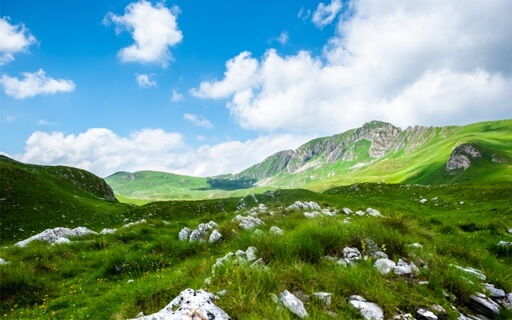
Durmitor belongs to the Dinaric mountain system and encompasses more than 40 peaks higher than 2,000 meters. The relief is distinctly rugged, featuring a combination of limestone rocks, high plateaus, and deep valleys.
Key Natural Characteristics:
- Bobotov kuk (2,523 m): The highest peak of the massif.
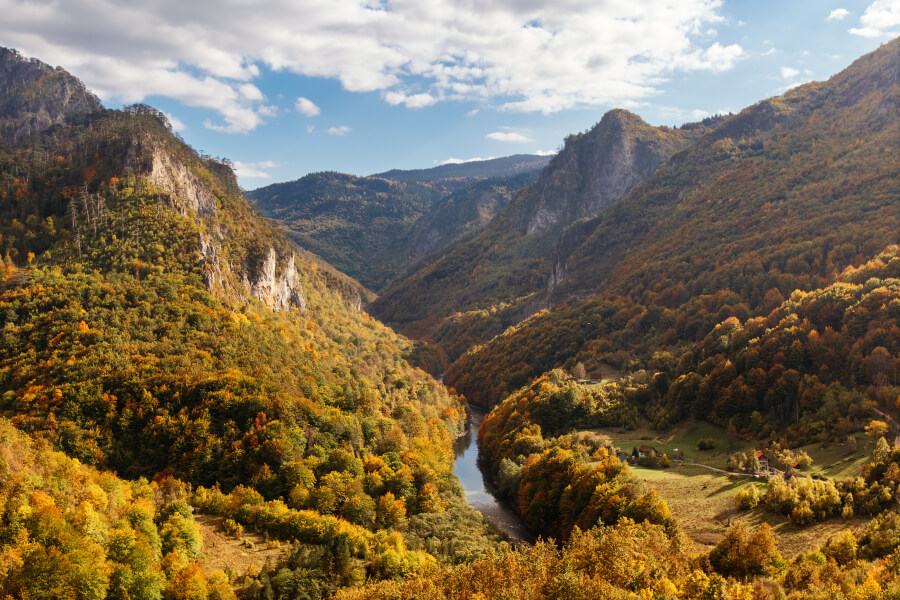
- Tara River Canyon: The deepest canyon in Europe (up to ~1,300 m).
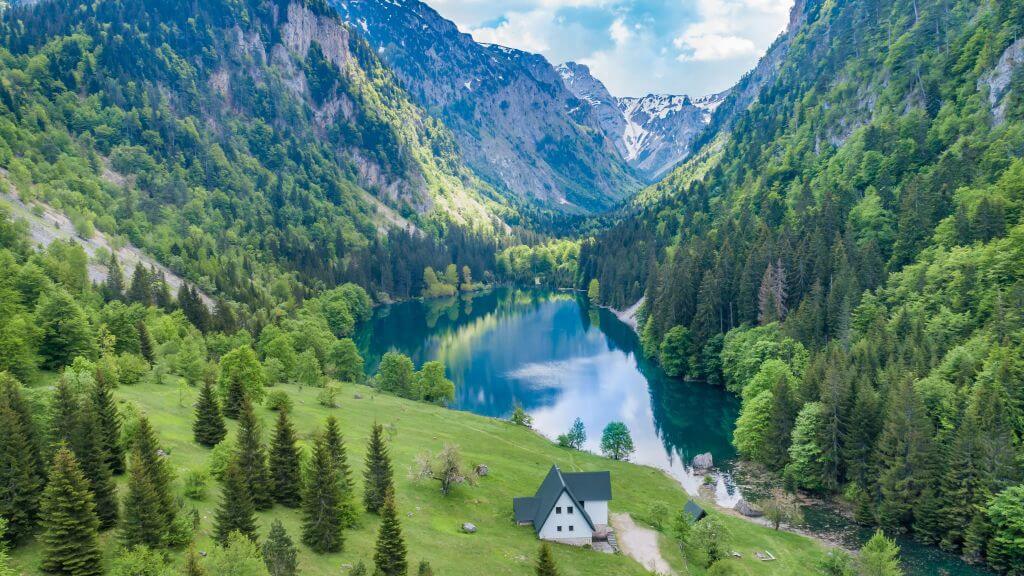
- Mountain Eyes: 18 glacial lakes scattered across the massif.
- Karst Relief: Pronounced forms including deep pits, ice caves, and sinkholes.
Lakes and Waters
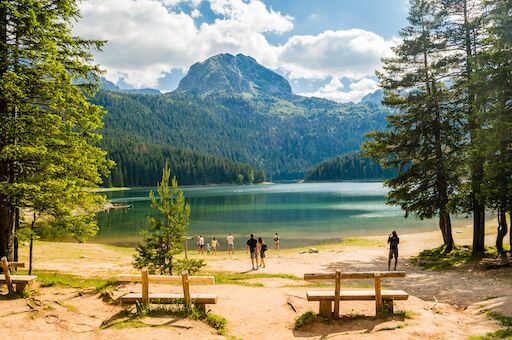
Durmitor is particularly famous for its glacial lakes, the most well-known being Black Lake (Crno jezero), located at approximately 1,416 m above sea level, in the immediate vicinity of Žabljak. Other significant lakes include Zminje, Barno, Vražje, and Modro Lake. The rivers Tara, Piva, and Komarnica play a key role in shaping the relief of this area.
Flora and Fauna
More than 1,600 plant species have been registered in the park, including numerous endemics and relics from the Ice Age. The fauna includes large mammals such as the brown bear, wolf, chamois, and deer, along with over 130 species of birds.
Tourism and Activities
Durmitor is a year-round destination. Summer is reserved for hiking, alpinism, rafting on the Tara, and cycling. In winter, the region transforms into a hub for skiing, snowboarding, and Nordic skiing. Žabljak serves as the main urban and tourist center of the region.
Statistics and Interesting Facts
- The Tara Canyon is the second deepest canyon in the world, after the Grand Canyon in the USA.
- Black Lake changes its surface area significantly depending on the season.
- The name “Durmitor” is often associated with Celtic roots meaning “water from the mountain.”
Why Durmitor is Special
Durmitor is special because, within a relatively small space, it combines high mountain peaks, deep canyons, and forests without disrupting the natural balance. It is a space where nature still holds the dominant role, and man is only a temporary guest.
❓ Frequently Asked Questions (FAQ)
Is Durmitor suitable for beginners in hiking?
Yes. There are numerous easy and medium-demand trails, especially around Black Lake and the surrounding plateaus.
When is the best time to visit Durmitor?
The summer period (June to September) is ideal for hiking, while winter is suitable for skiing. Spring and autumn offer a quieter, more meditative stay.
Is Durmitor suitable for families?
Yes, especially the zones around Žabljak and Black Lake, which feature well-maintained paths and accessible natural beauty.
How far is Durmitor from the coast?
From Budva or Kotor, approximately 3 to 4 hours of driving is required, depending on the route and traffic.
Related Entities for Internal Connectivity
- Žabljak — The main gateway to the national park.
- Tara Canyon — The breathtaking natural phenomenon bordering the park.
- National Parks of Montenegro — The wider conservation system.
- Bobotov kuk — The iconic peak for mountain enthusiasts.
External Links
🌐 Official National Parks Portal – nparkovi.me
🌐 Tourist Organization of Žabljak – zabljak.travel