


Cetinje — Encyclopedic Overview
| Category | Information |
| Name | Cetinje |
| Toponym Type | Historical city / Cultural capital |
| Country | Montenegro |
| Municipality | Cetinje |
| Geographic Position | Cetinje field, foot of Lovćen mountain |
| Altitude | ~670 m |
| Population | ~13,000 (city), ~16,500 (municipality) |
| Status | Old Royal Capital of Montenegro |
| Official Website | cetinje.me |
Brief Description
Cetinje is the historical, cultural, and spiritual center of Montenegro, known as the former royal capital and a city with an exceptionally preserved identity. Founded in the 15th century, Cetinje was for several centuries the political and ecclesiastical core of the Montenegrin state. While Luštica Bay showcases the modern, cosmopolitan side of Montenegro, Cetinje offers an essential look into its soul, featuring a peaceful, authentic atmosphere and a rich museum-diplomatic heritage that distinguishes it from the more dynamic coastal centers.
Geographic and Natural Characteristics
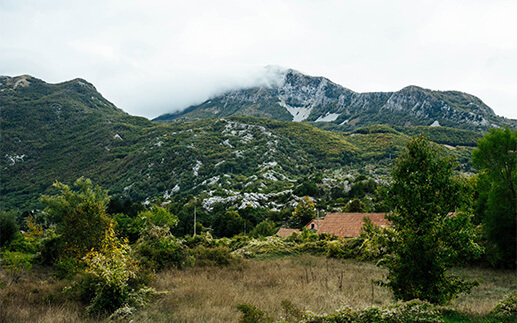
The city is located in the Cetinje basin, surrounded by mountain ranges, with Mount Lovćen as the dominant natural frame. This position influences a moderate-mountain climate, providing a refreshing escape with cooler air for guests arriving from the sun-drenched beaches of the coast.
Key Natural Characteristics:
- Proximity to Lovćen National Park: High-altitude nature accessible within minutes from the city center.
- Karst Relief: The unique Cetinje field is a classic example of the Dinaric karst landscape.
- Natural Viewpoints: Numerous mountain trails offer vistas spanning from the Skadar Lake to the Adriatic Sea.
- Historic Connections: Directly linked to the Bay of Kotor via the famous 25-serpentine road.
History and Cultural Heritage
Cetinje was founded by Ivan Crnojević in 1482 and became a symbol of statehood, resistance, and the continuity of Montenegrin independence. It was one of the smallest but diplomatically most significant European capitals at the turn of the 20th century.
Significant Cultural-Historical Sites:
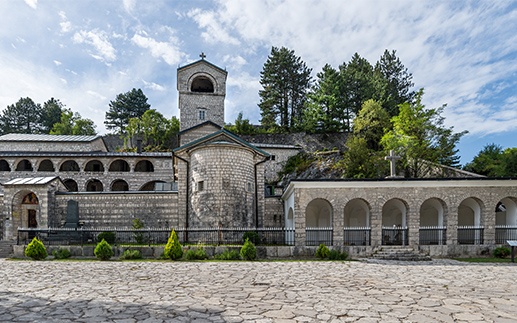
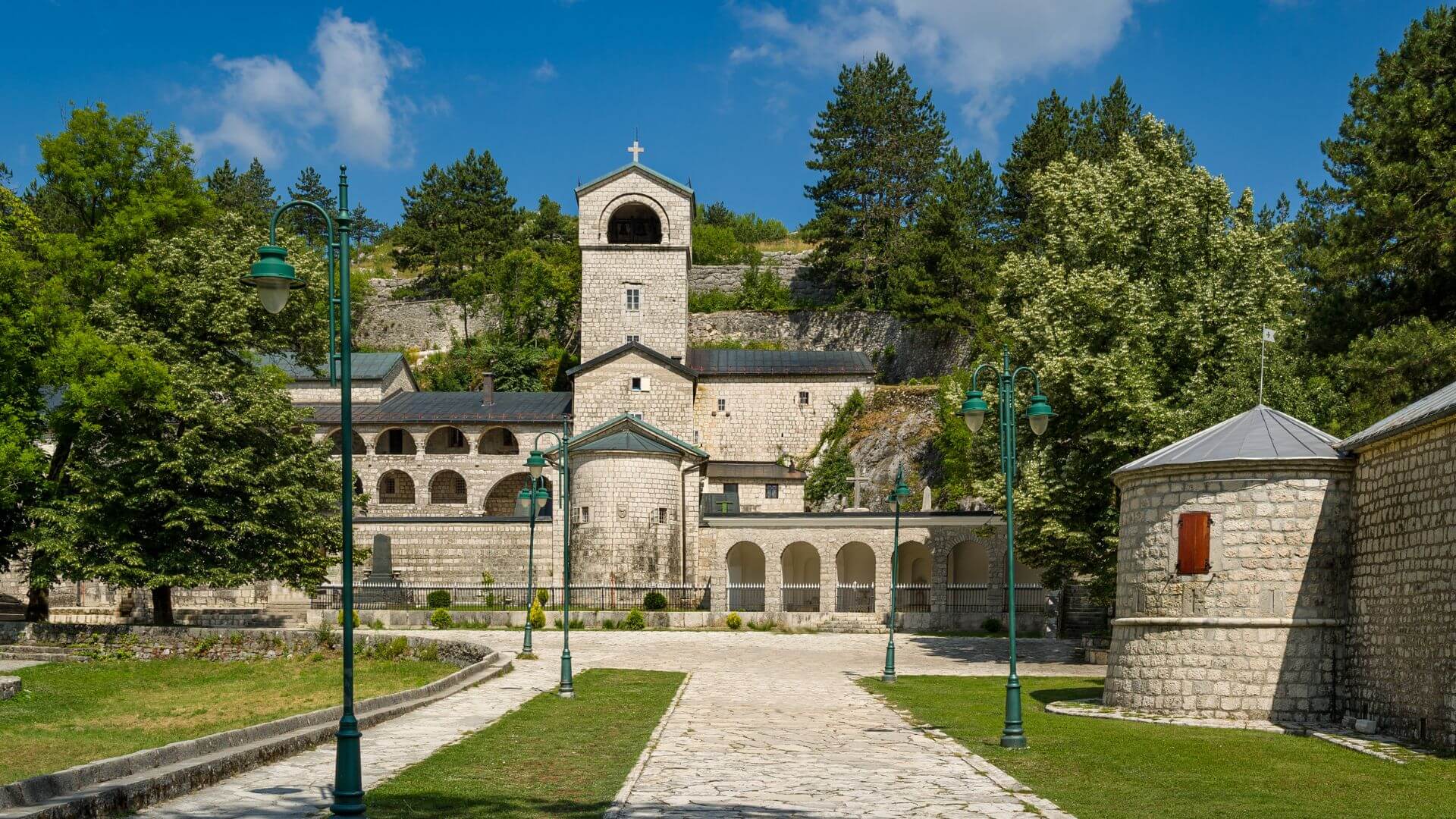
- Cetinje Monastery: The spiritual heart of the nation for centuries.
- King Nikola’s Palace: Now the National Museum, housing the country’s most important artifacts.
- Biljarda: The residence of the famous poet-ruler Petar II Petrović Njegoš.
- Former Diplomatic Missions: Architectural gems that once housed European embassies, now serving as art academies.
- Vlach Church (Vlaška crkva): Notable for its fence made from captured enemy rifle barrels.
Tourism and Facilities
Cetinje is primarily a destination for cultural and historical tourism. For travelers staying in Luštica Bay, it represents the ultimate “cultural day trip,” offering a deep dive into the traditions of the region through museum tours and heritage walks.
Main Activities:
- Museum Exploration: A dense concentration of galleries and historical collections.
- Architecture Walks: Strolling past colorful 19th-century facades in the old city core.
- Gastronomy: Sampling famous smoked ham (pršut) and cheese from the nearby village of Njeguši.
- Lovćen Excursions: Quick access to the Njegoš Mausoleum at the peak of the mountain.
Statistics and Interesting Facts
- Cetinje was the official capital of Montenegro for more than 200 years.
- It is often referred to as the “Museum City” of the Balkans due to its institutional density.
- The city has a unique microclimate and is known for having some of the highest rainfall in Europe, despite being in the karst.
Why Cetinje is Special
Cetinje is special because it did not emerge as a commercial center, but as a conscious political and spiritual capital. Its value lies in its historical weight and authenticity. It serves as a bridge for visitors, connecting the luxury of Luštica Bay with the deep-rooted heroic history of the Montenegrin mountains.
Frequently Asked Questions (FAQ)
Is Cetinje a good day trip from Luštica Bay?
Yes, it is highly recommended. The drive takes about 1 hour and 15 minutes, allowing you to combine a visit to the historical capital with a trip to Lovćen National Park.
What is the difference between Cetinje and Podgorica?
Podgorica is the modern administrative and business center, while Cetinje remains the keeper of Montenegro’s history, culture, and royal legacy.
Is the weather different from the coast?
Yes. Due to the altitude of 670 m, Cetinje is usually several degrees cooler than Luštica Bay, making it a perfect retreat during the hot summer months.
Do I need a guide for the museums?
While you can explore on your own, the National Museum of Montenegro provides professional guides who bring the stories of the royal dynasties to life.
Related Entities for Internal Connectivity
- Lovćen — Mountain and national park overlooking the city.
- Njegoš’s Mausoleum — A must-visit landmark located above the city.
- Luštica Bay — The starting point for cultural tours toward the interior.
- Budva and Kotor — Neighboring coastal cities connected by scenic mountain passes.
External Links
🌐 Official website of the Municipality of Cetinje – cetinje.me
🌐 National Tourist Organization of Montenegro – montenegro.travel